


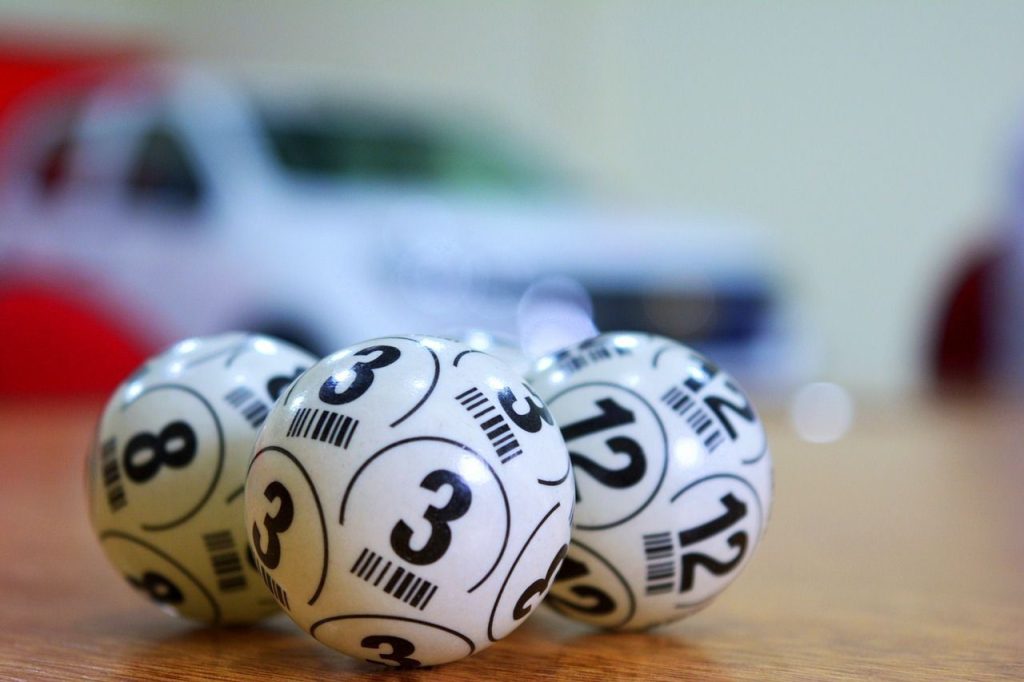
Lotteries are built on a simple promise: every number has an equal chance. Behind that promise sits a carefully designed process meant to remove bias, prediction, and manipulation. While the result looks effortless on TV or online streams, a lot of engineering and procedure goes into ensuring true randomness.
This article breaks down how lottery numbers are drawn, the technology behind them, and why the process is trusted worldwide.
What “Random” Really Means in a Lottery
In lottery systems, randomness means that each possible number combination has the same probability of being selected as any other. No number is “due,” and past draws have zero influence on future ones.
To achieve this, lottery operators rely on:
-
Physical randomness (machines and balls)
-
Digital randomness (computer algorithms)
-
Strict controls and audits
Each method is designed to prevent patterns, predictability, or interference.
The Most Common Method: Mechanical Ball Draw Machines
The traditional and still widely used approach is the mechanical lottery draw machine. These machines are intentionally simple but precisely engineered.
How Mechanical Draws Work
A standard draw follows these steps:
-
Numbered balls are placed into a transparent mixing chamber
-
The chamber uses air jets or paddles to constantly mix the balls
-
Balls are drawn one at a time through a chute or tube
-
Each ball is displayed clearly for verification
The balls are usually identical in:
-
Weight
-
Size
-
Material
-
Surface texture
This uniformity ensures no ball has a physical advantage.
Why Physical Machines Are Trusted
Mechanical systems rely on natural physics—air pressure, motion, and gravity—making them extremely difficult to manipulate without detection.
Key advantages include:
-
Visible transparency for viewers
-
No software vulnerabilities
-
Easy verification by independent observers
Computer-Based Random Number Generators (RNGs)
Some modern lotteries, especially online or instant games, use Random Number Generators instead of physical machines.
How RNG-Based Draws Work
An RNG is a program that uses mathematical algorithms to produce number sequences that are statistically random.
Typically:
-
A secure server runs the RNG
-
The system generates numbers at the moment of the draw
-
The selected numbers are immediately locked and recorded
-
Results are published within seconds
Ensuring Digital Randomness
To prevent predictability, high-quality RNGs use:
-
Cryptographic algorithms
-
Entropy sources (such as time-based or hardware noise)
-
Continuous testing to detect patterns
Independent labs routinely test these systems to confirm fairness.
Pre-Draw Testing and Ball Verification
Before any official draw takes place, lotteries perform extensive checks.
These usually include:
-
Weighing and measuring each ball
-
Inspecting machines for wear or damage
-
Running test draws that are not counted
-
Sealing equipment until the live draw begins
This process helps eliminate accidental bias caused by equipment issues.
Security Measures During Lottery Draws
Lottery draws are tightly controlled events, not casual procedures.
Common safeguards include:
-
Multiple independent officials present
-
Surveillance cameras covering all angles
-
Tamper-evident seals on machines
-
Detailed logging of every step
In many jurisdictions, external auditors supervise the entire draw to ensure compliance.
Why Past Numbers Don’t Matter
A common myth is that numbers which haven’t appeared recently are “overdue.” In reality:
-
Each draw is independent
-
Odds reset every time
-
Previous outcomes have no influence
For example, if a lottery draws six numbers from 49, the odds remain the same every single draw—no matter what happened before.
Transparency and Public Trust
Lottery operators know trust is everything. That’s why many draws are:
-
Broadcast live
-
Recorded and archived
-
Open to public or media witnesses
This transparency reassures players that the process is fair and unbiased.
FAQs
Are lottery numbers truly random?
Yes. Whether through mechanical machines or certified RNG systems, lotteries are designed so every number combination has equal odds.
Can lottery machines be manipulated?
Modern machines are heavily regulated, tested, and monitored. Any tampering would be extremely difficult and quickly detected.
Why do some numbers appear more often than others?
Short-term patterns happen naturally in random systems. Over large sample sizes, frequencies tend to balance out.
Are online lottery draws less fair than physical ones?
Not necessarily. Certified RNG systems, when properly audited, can be just as fair as mechanical draws.
How often are lottery machines replaced or upgraded?
This varies by operator, but machines and ball sets are regularly rotated, tested, and replaced to maintain integrity.
Do lottery officials know the numbers before the draw?
No. Numbers are only determined at the moment of the draw, under controlled conditions.
Why are lottery balls different colors or designs?
Colors and markings help distinguish number sets and improve visibility, but they do not affect randomness.