


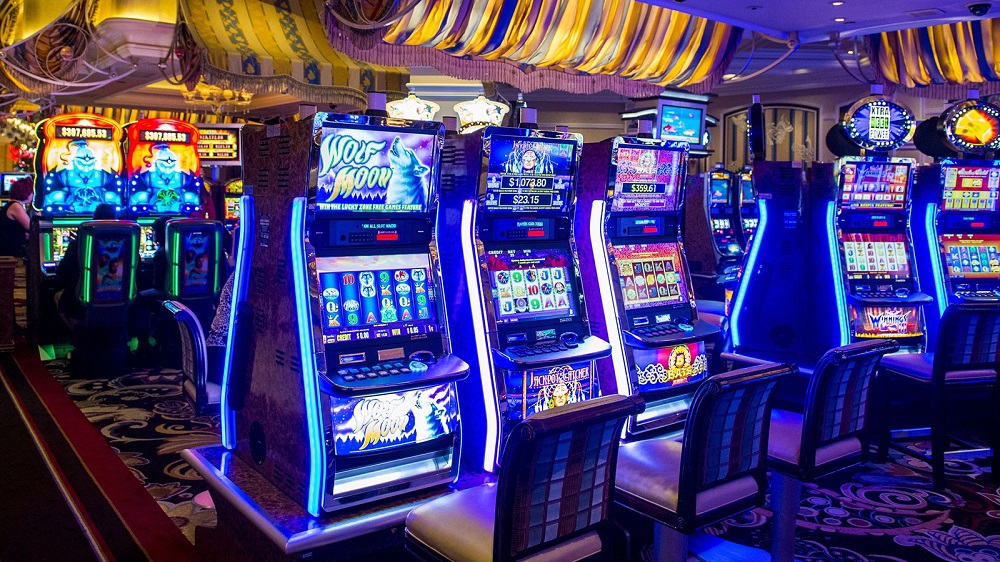
Slot machines look simple on the surface—press a button, watch the reels spin, and hope for a win. But behind that flashy display is a carefully engineered system built on mathematics, software, and strict regulations. Understanding how slot machines truly work can help clear up myths and give you a more realistic view of what happens every time you play.
The Core of Every Slot Machine: Random Number Generators (RNGs)
At the heart of every modern slot machine is a Random Number Generator (RNG). This is a specialized computer algorithm that continuously generates numbers, even when the machine is not being played.
Key points about RNGs:
-
The RNG produces thousands of numbers per second
-
Each number corresponds to a specific reel position or symbol combination
-
The moment you press “spin,” the current number is locked in as the outcome
The spinning reels you see are purely visual. The result is already decided instantly by the RNG, long before the reels stop moving.
Why Slot Outcomes Are Truly Random
A common misconception is that slot machines remember past spins or “warm up” after losses. In reality:
-
Each spin is independent
-
Previous wins or losses have zero influence on future results
-
There is no such thing as a machine being “due”
This independence is what makes slots a game of chance rather than skill.
Understanding Paylines and Symbol Mapping
Behind the scenes, symbols on a slot machine are not evenly distributed. Each reel has a virtual reel map, which determines how often certain symbols appear.
Important details:
-
High-paying symbols appear less frequently
-
Low-paying symbols appear more often
-
Virtual reels may have hundreds or thousands of stopping points
This design controls how often jackpots and big wins occur, without changing the randomness of each spin.
Return to Player (RTP): The Long-Term Math
Return to Player (RTP) is a percentage that represents how much money a slot machine pays back to players over time.
For example:
-
A slot with 96% RTP returns $96 for every $100 wagered, on average
-
The remaining 4% is the casino’s edge
RTP applies over millions of spins, not individual sessions. Short-term results can vary wildly.
Volatility: Why Some Slots Feel “Hot” or “Cold”
Slot machines are also designed with volatility (or variance), which affects how wins are distributed.
-
Low volatility slots: Frequent small wins
-
High volatility slots: Rare but larger payouts
-
Medium volatility slots: A balance of both
Volatility explains why two players can have completely different experiences on the same machine.
Bonus Features and Free Spins Explained
Bonus rounds, free spins, and multipliers are not separate from the RNG. They are integrated into the same system.
Behind the scenes:
-
Bonus triggers are RNG-based
-
Bonus outcomes are also randomized
-
The excitement is visual, but the math is fixed
These features increase entertainment value without changing the house edge.
Regulation and Fairness Testing
Legal slot machines must meet strict standards before being placed in casinos or online platforms.
Typical regulatory requirements include:
-
Independent testing of RNG fairness
-
Certification of RTP percentages
-
Ongoing audits and compliance checks
This ensures players are not being cheated, even though the odds always favor the house.
Myths That Don’t Match Reality
Some popular beliefs simply aren’t true:
-
Casinos cannot remotely change odds on individual machines
-
Pulling the lever does not affect results differently than pressing a button
-
Time of day has no impact on payouts
Slot machines operate on code and math—not superstition.
The Real Purpose of Slot Machine Design
Everything from sound effects to animations is designed to:
-
Enhance excitement
-
Encourage longer play sessions
-
Make wins feel more rewarding
While the visuals grab attention, the underlying system remains purely mathematical.
Final Thoughts
Slot machines are sophisticated pieces of technology built around randomness, probability, and psychology. While they offer entertainment and the chance for big wins, understanding how they work behind the scenes helps set realistic expectations. When you play, you’re engaging with a carefully balanced system where luck—not timing or strategy—determines the outcome.
Frequently Asked Questions (FAQs)
1. Can a slot machine change its odds during gameplay?
No. Once certified, the odds and RTP are fixed and cannot be altered dynamically during play.
2. Do online slots work differently than physical casino slots?
The core mechanics are the same. Both rely on RNGs and predefined payout structures.
3. Are slot machines programmed to pay after a certain number of spins?
No. Payouts are not scheduled or triggered by spin counts.
4. Does betting more money increase your chances of winning?
Higher bets can unlock bigger payouts, but they do not improve the odds of winning a spin.
5. Can casinos track individual players and adjust machines accordingly?
Casinos may track play for rewards, but they cannot alter machine outcomes per player.
6. Why do some machines seem to pay more often than others?
Differences in RTP and volatility create varying payout patterns.
7. Are jackpot wins truly random?
Yes. Jackpots are determined by RNG outcomes, not timing or machine history.